
Singapore Cultural&Tourism Pavillion Takes an Active Role in 2026 Singapore Shandong Week fostering China-Singapore Trade and Economic Cooperation
The 2026 Shandong-Singapore Week was held in Singapore from 14 to 17 September. One of its flagship events—the Shandong–Singapore Economic and Trade Cooperation Conference and Opening Ceremony of the 2026 Shandong-Singapore Week—took place on the afternoon of 15 September at the Marina Bay Sands Expo and Convention Centre. Hosted by the People’s Government of Shandong Province, organised by the Shandong Provincial Department of Commerce and supported by Enterprise Singapore, the event was themed “Shandong and Singapore: Advancing Together, Innovating for the Future.” It brought together more than 300 guests from Singapore government agencies, businesses and trade associations, as well as representatives from government departments and enterprises across Shandong.
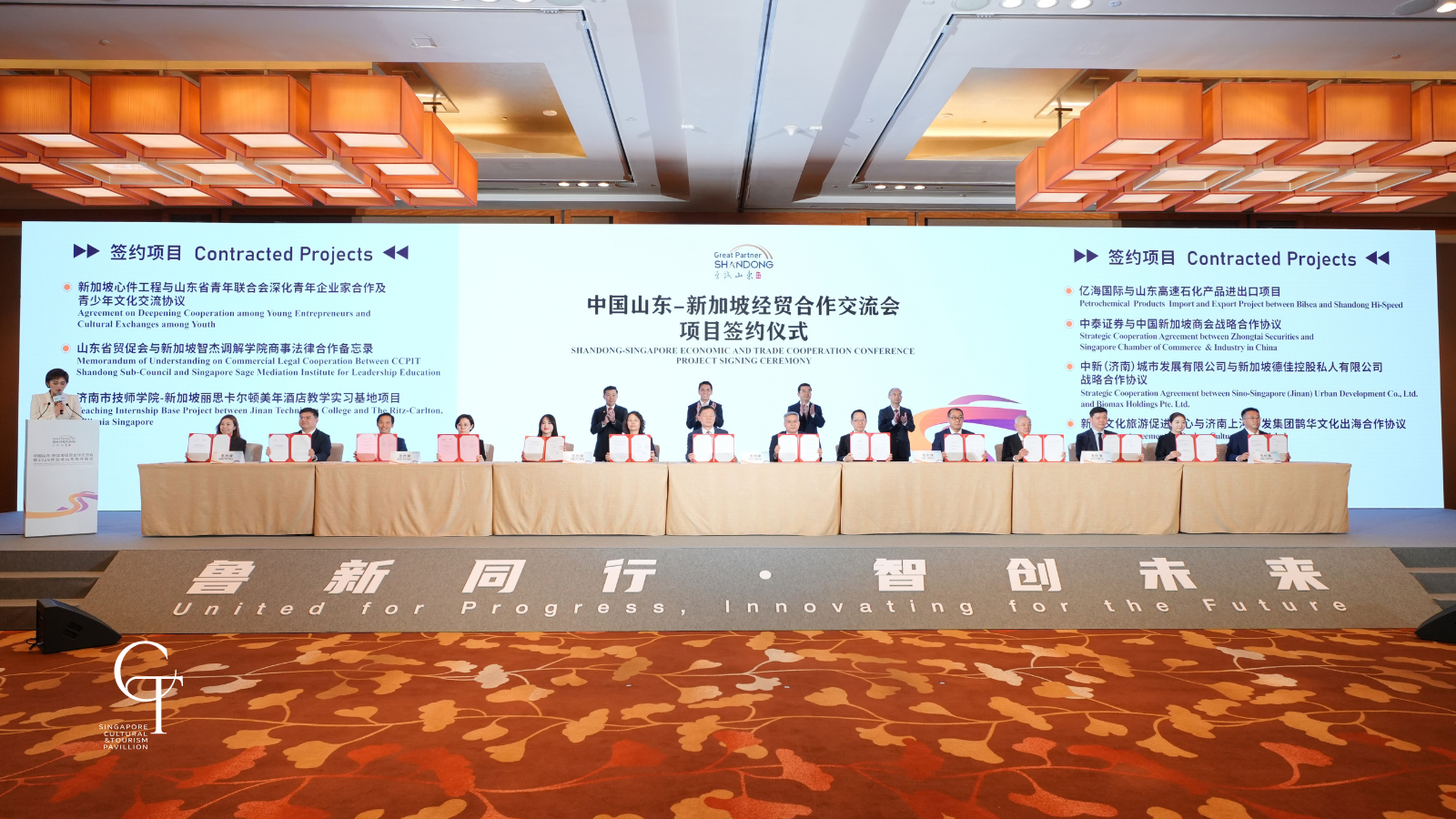
The Singapore Cultural&Tourism Pavillion was one of the signatories at the Shandong–Singapore Economic and Trade Cooperation Conference Project Signing Ceremony.
Distinguished guests included Jeffrey Siow, Singapore’s Acting Minister for Transport, Senior Minister of State for Finance and Singapore Co-Chair of the Singapore–Shandong Business Council; Lee Yi Shyan, Chairman of Business China; and Cao Zhongming, Chinese Ambassador to Singapore. All three attended and delivered remarks. Zhang Haibo, Member of the Standing Committee of the CPC Shandong Provincial Committee and Executive Vice Governor of Shandong Province, delivered the keynote address.
At the ceremony, representatives from the Shandong Provincial Development and Reform Commission, Jinan, Qingdao and Singapore presented opportunities for collaboration in Shandong’s high-quality development, the creation of a global technology and data innovation hub, the China–Singapore Jinan Future Industry City, the Punggol Digital District and the digital economy. A total of 24 priority cooperation projects were signed, comprising 15 strategic cooperation agreements, two investment projects and seven trade projects. The projects span talent exchange, legal services, cross-border finance, green agriculture, culture and tourism, new energy, next-generation information technology, logistics, advanced equipment, healthcare and eldercare, marking a new stage in Shandong–Singapore cooperation.
The Singapore Cultural and Tourism Pavillion Private Limited was invited to attend the opening ceremony. Representing Singapore’s cultural and tourism sector, the Centre signed the “Quehua Cultural Internationalisation Cooperation Agreement” with Jinan Shanghe Industrial Development Services Group Co., Ltd. Using Jinan’s “Quehua” cultural intellectual property as a bridge and drawing on Singapore’s strengths as a multicultural hub with an international communications network, the partnership will focus on co-creating cultural content, jointly promoting the brand, facilitating exchanges among young artists and advancing digital cultural trade. It aims to encourage dialogue and mutual learning between Shandong’s outstanding traditional cultural and Singapore’s multicultural heritage. The Centre will take this partnership as a new starting point to translate the theme “Shandong and Singapore: Advancing Together, Innovating for the Future” into meaningful cultural initiatives, add a distinctive cultural dimension to the 2026 Singapore–Shandong Week, and bring Quehua Culture from Shandong to Singapore and the wider international stage. The two parties will continue to organise the “The Confluence of the Silkroad” exhibition in China and Singapore. Through art, they will renew the bonds of the Silk Road and create a vibrant new canvas in which Shandong culture and the heritage of Southeast Asia complement one another, lending lasting momentum to deeper cultural exchange and stronger people-to-people ties.
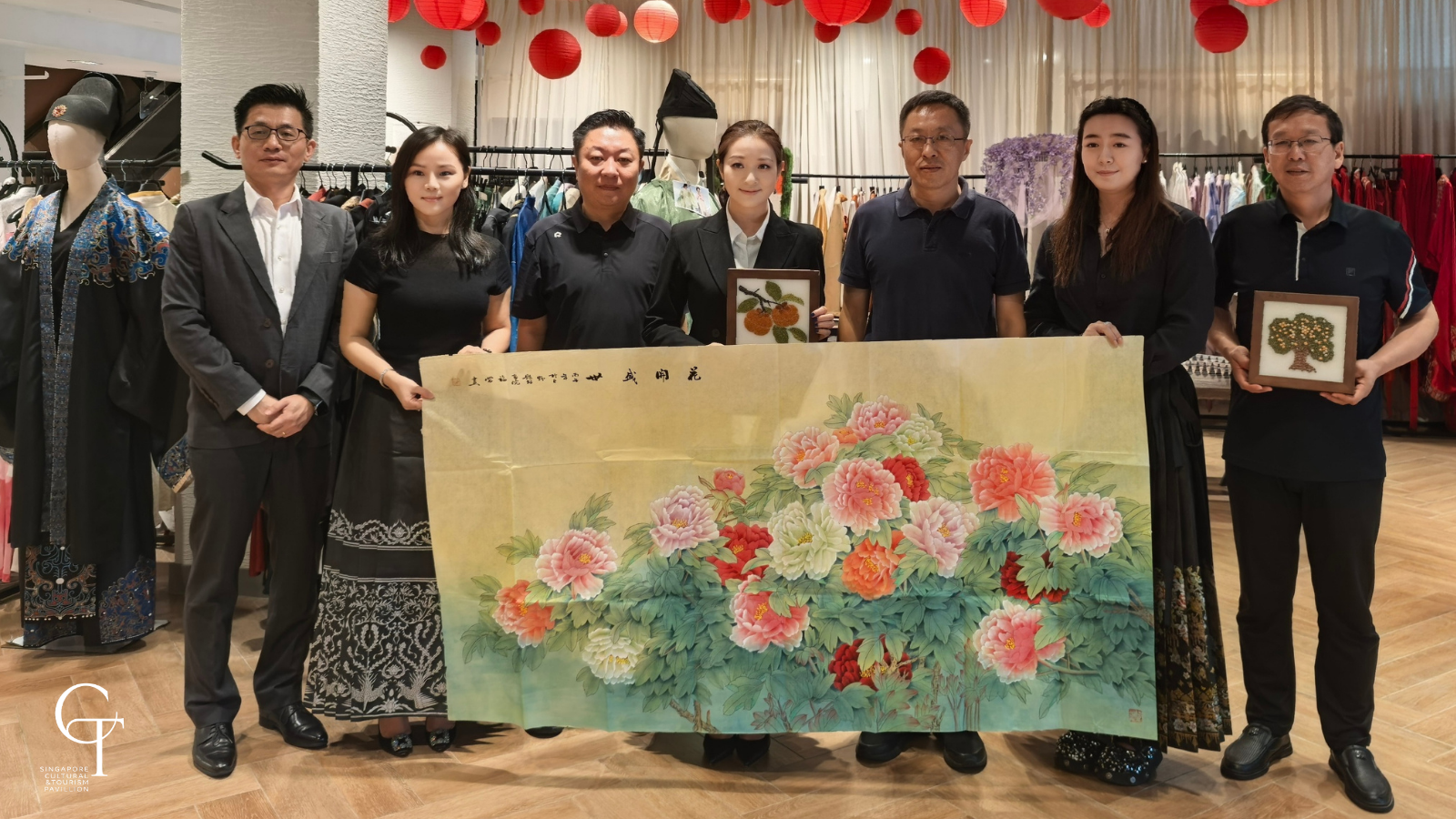
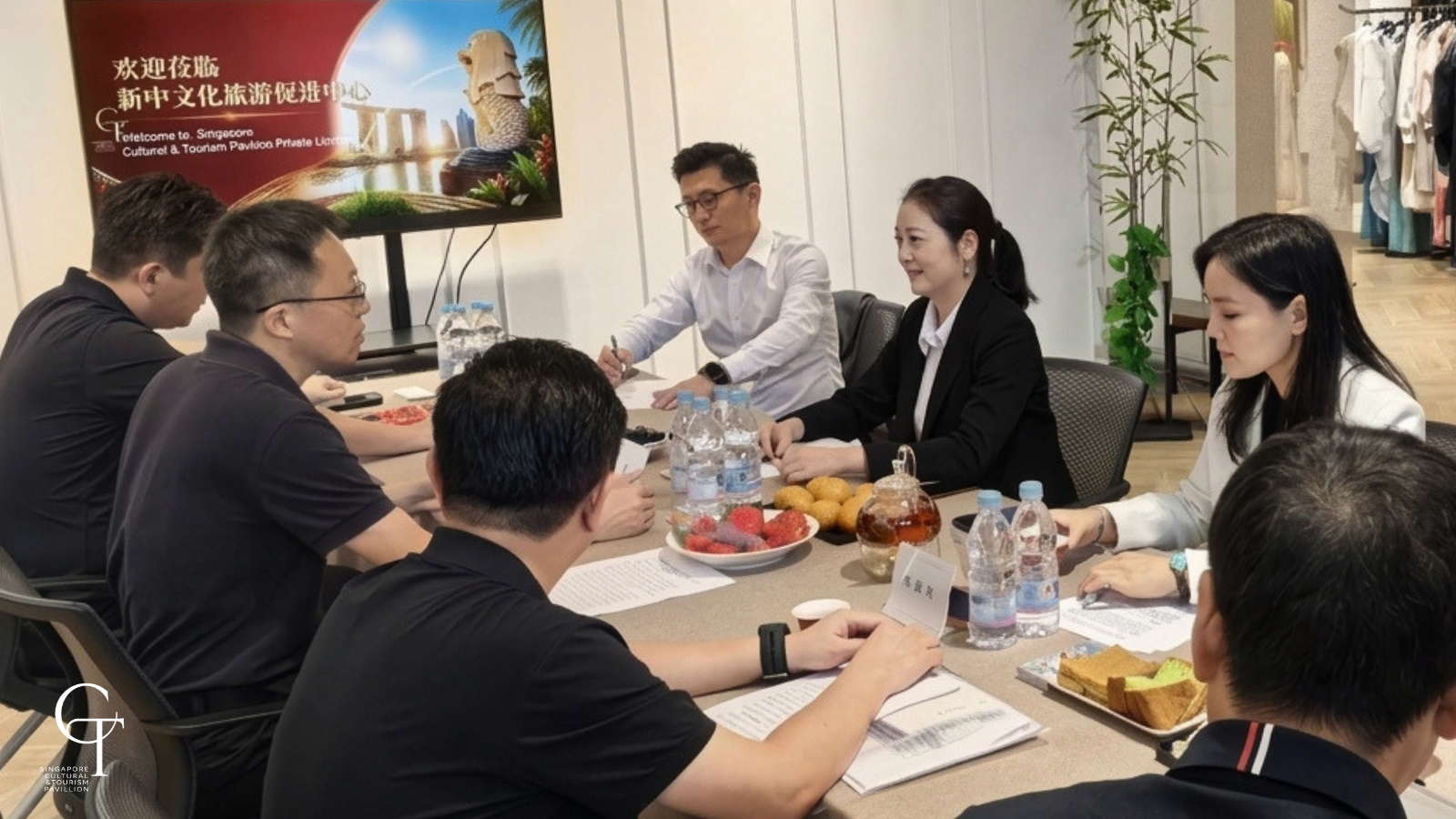
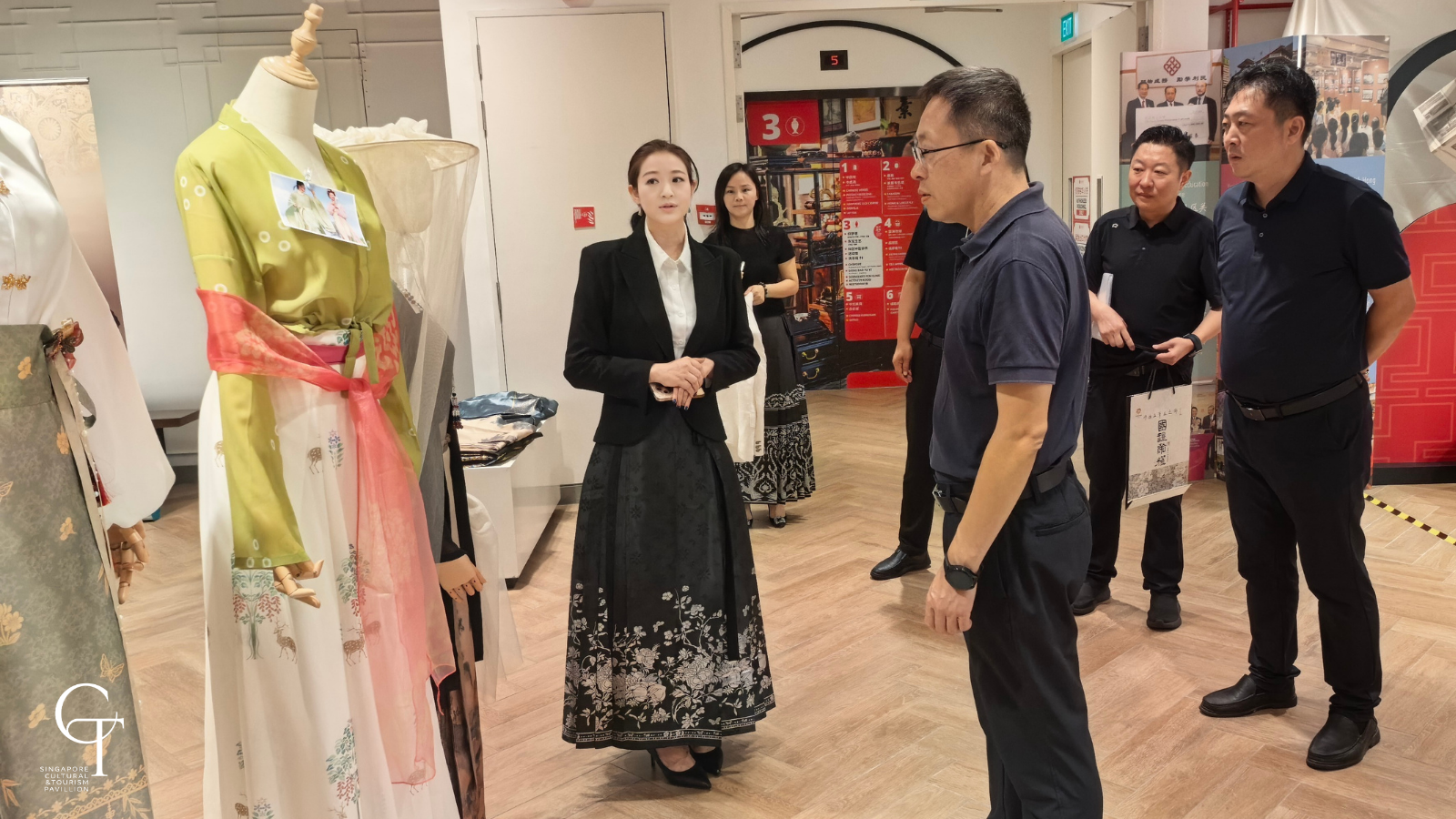
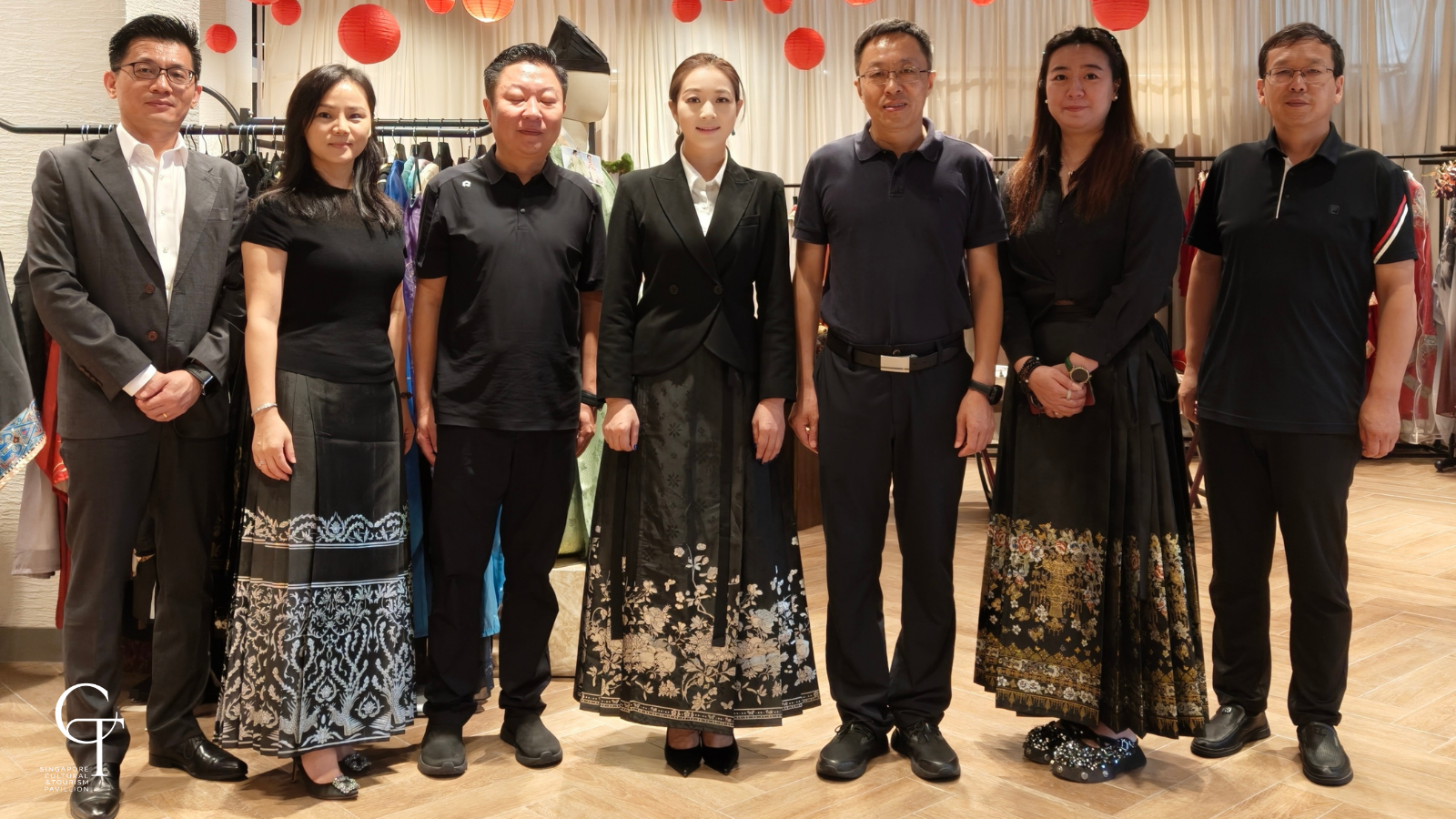
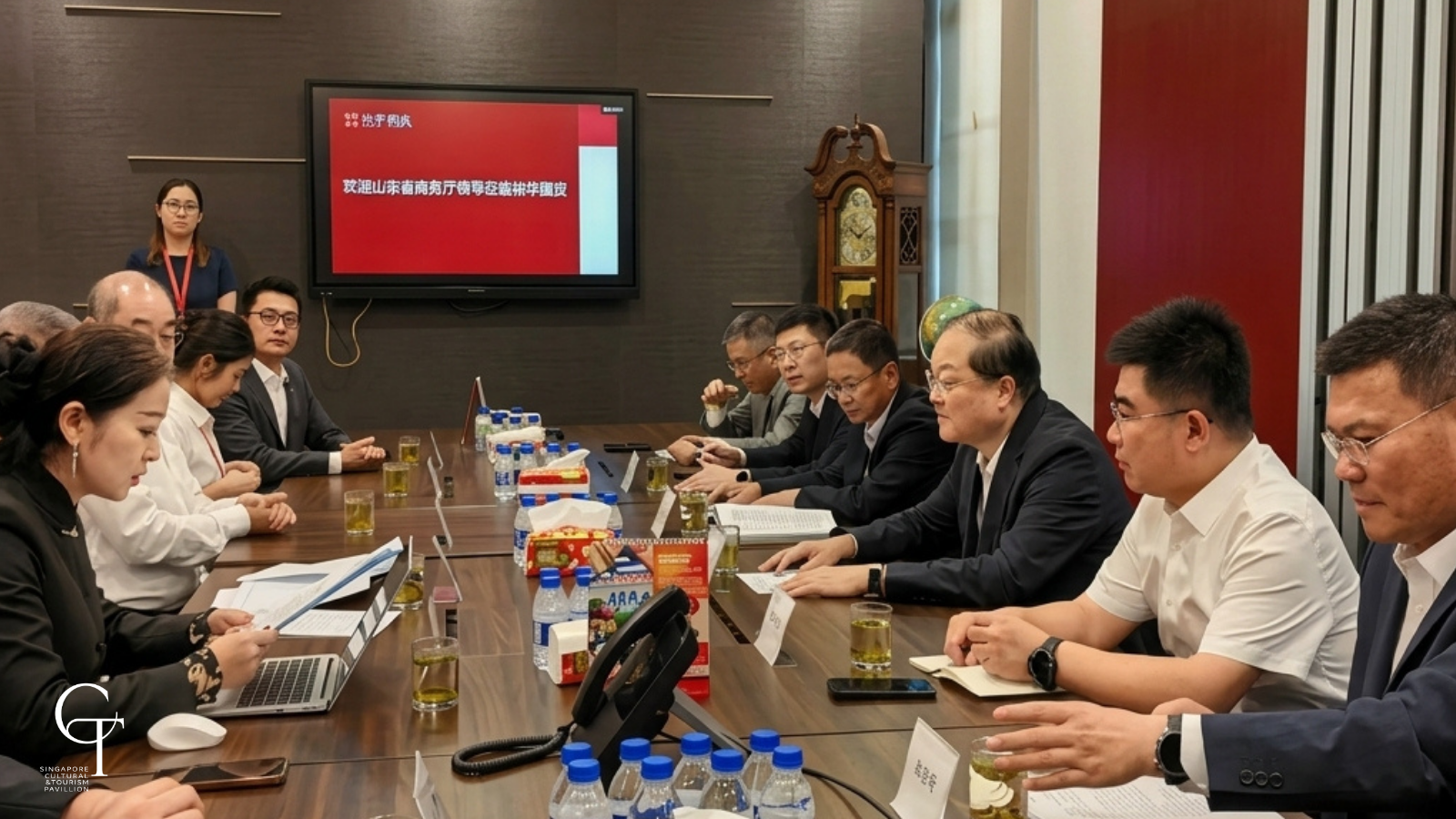
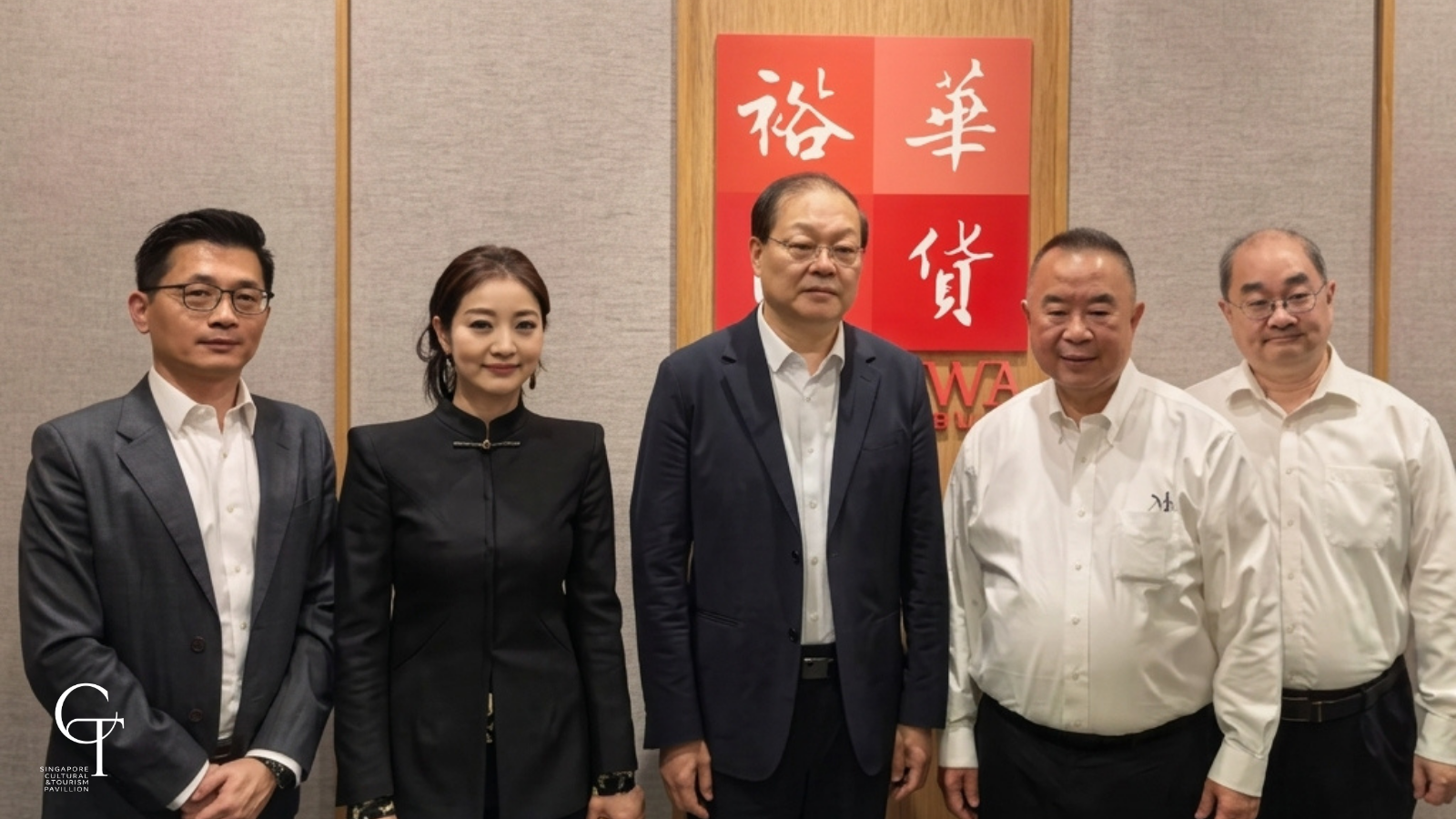
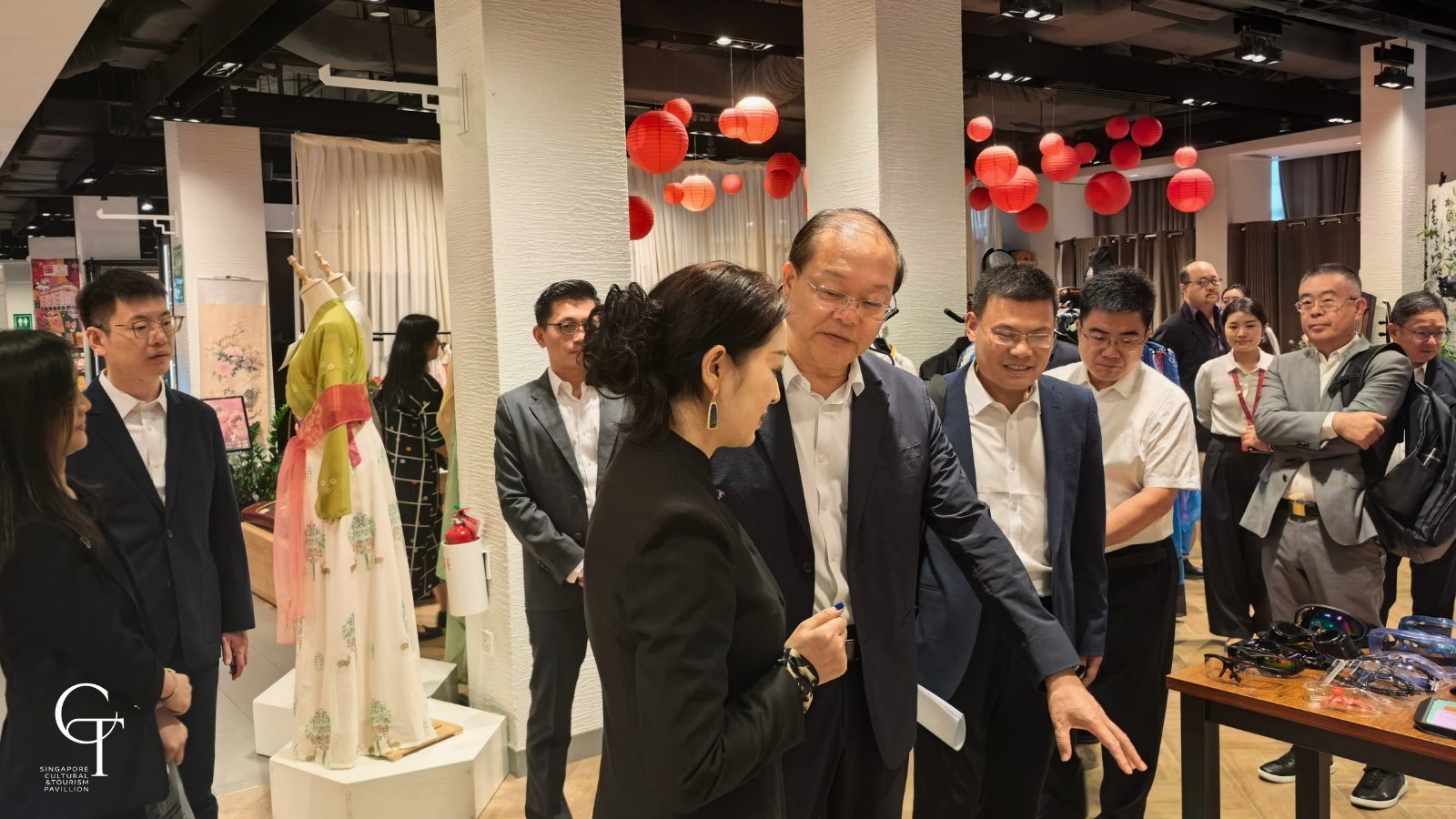
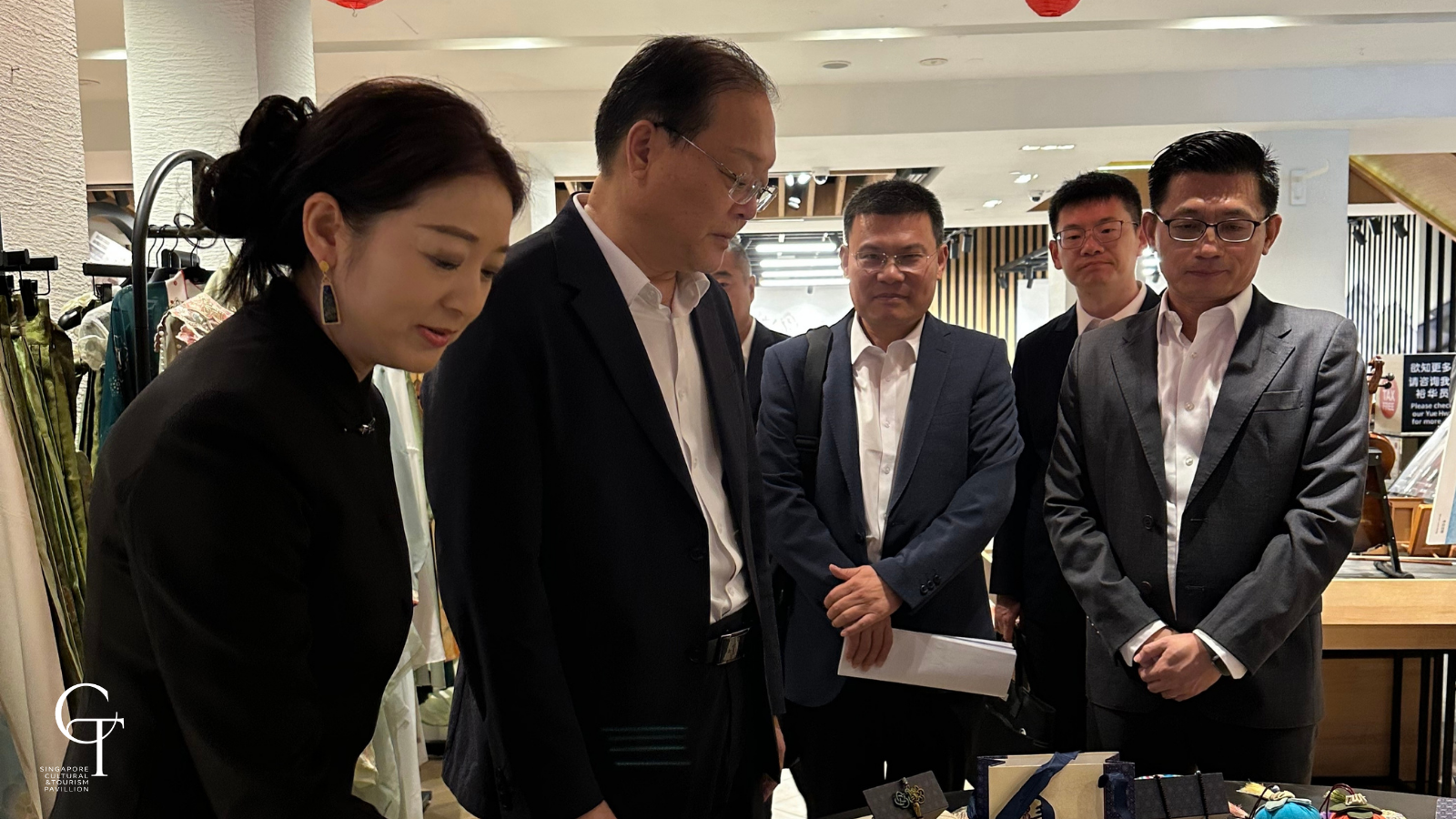
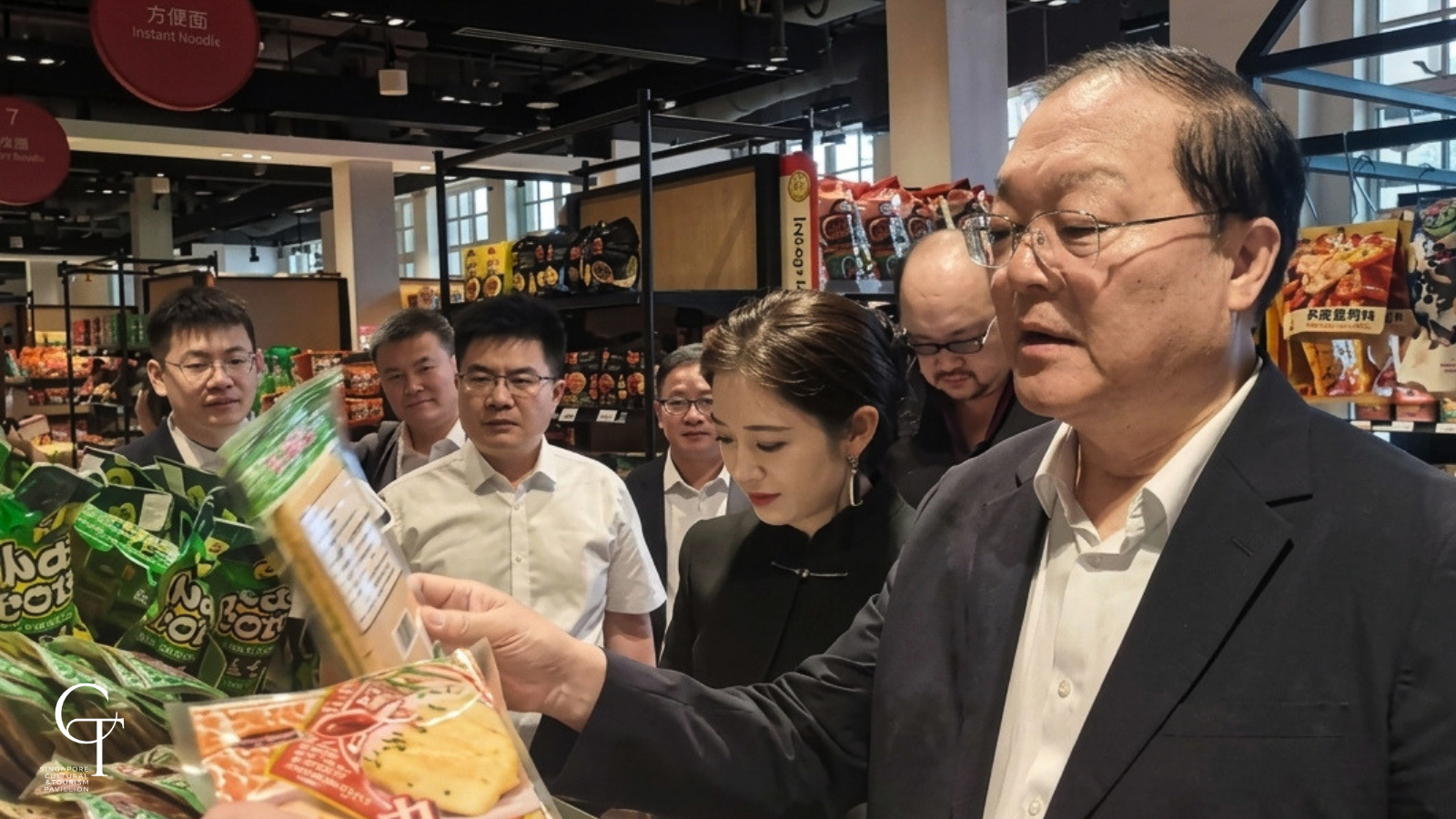
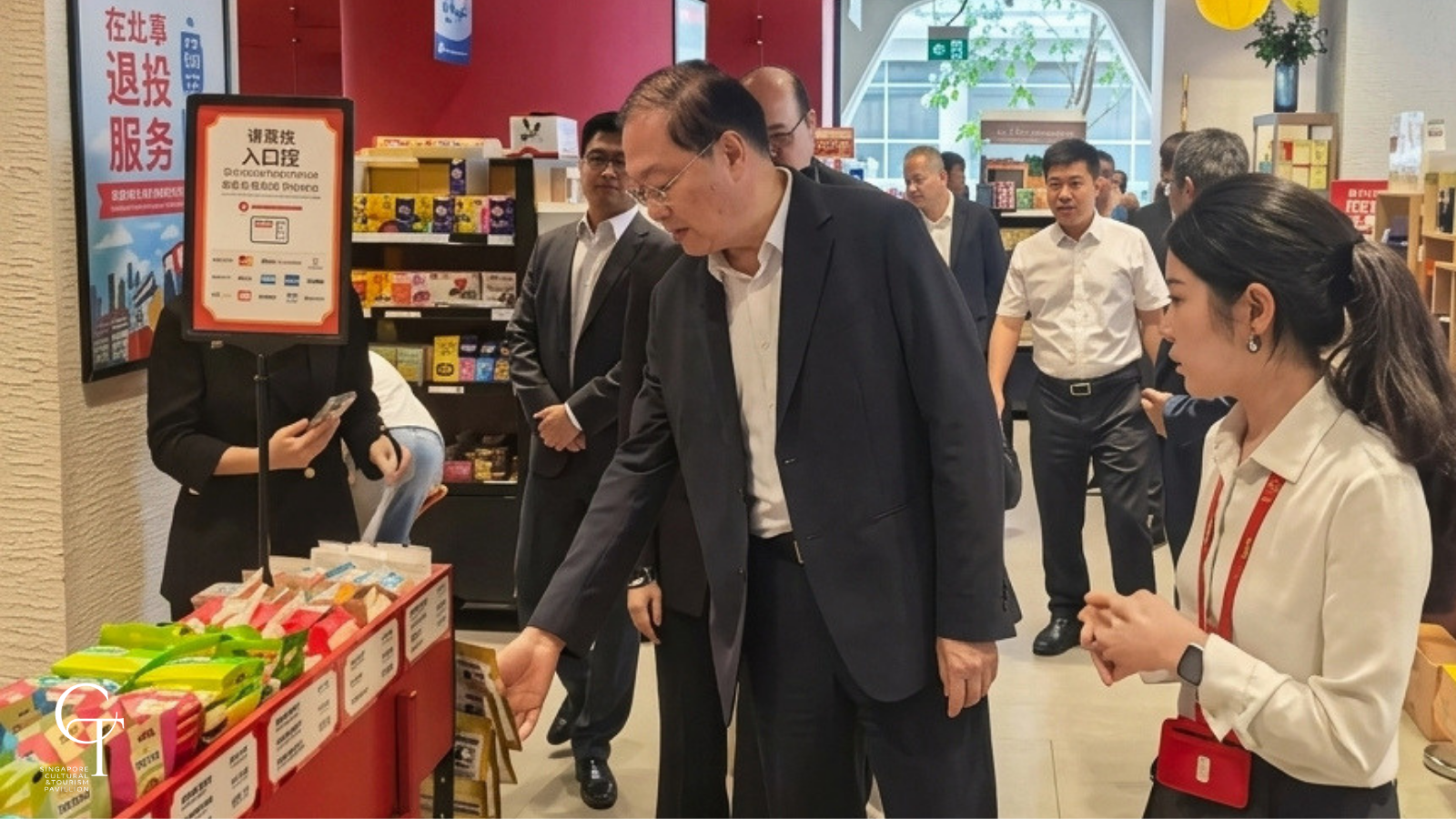
During the 2026 Shandong-Singapore Week, on 16 and 17 September, the Singapore Cultural and Tourism Pavillion Private Limited hosted economic and trade delegations from the municipal governments of Linyi and Heze at the “Chimore” Hanfu Gallery. With the support of Yue Hwa Chinese Products, the Centre also arranged supply-chain business-matching sessions to promote practical exchanges and cooperation between enterprises from Shandong and Singapore, strengthen trade through culture and help Shandong companies expand overseas. Looking ahead, the Centre will continue to highlight quality products and key industries from Linyi and Heze, including hand embroidery, willow weaving, Hanfu, grain art and the peony industry. Guided by openness, collaboration and a commitment to excellence, it will strengthen engagement with the two cities in market development, distribution channels and brand building, creating pathways for premium Shandong products to enter Southeast Asian markets.